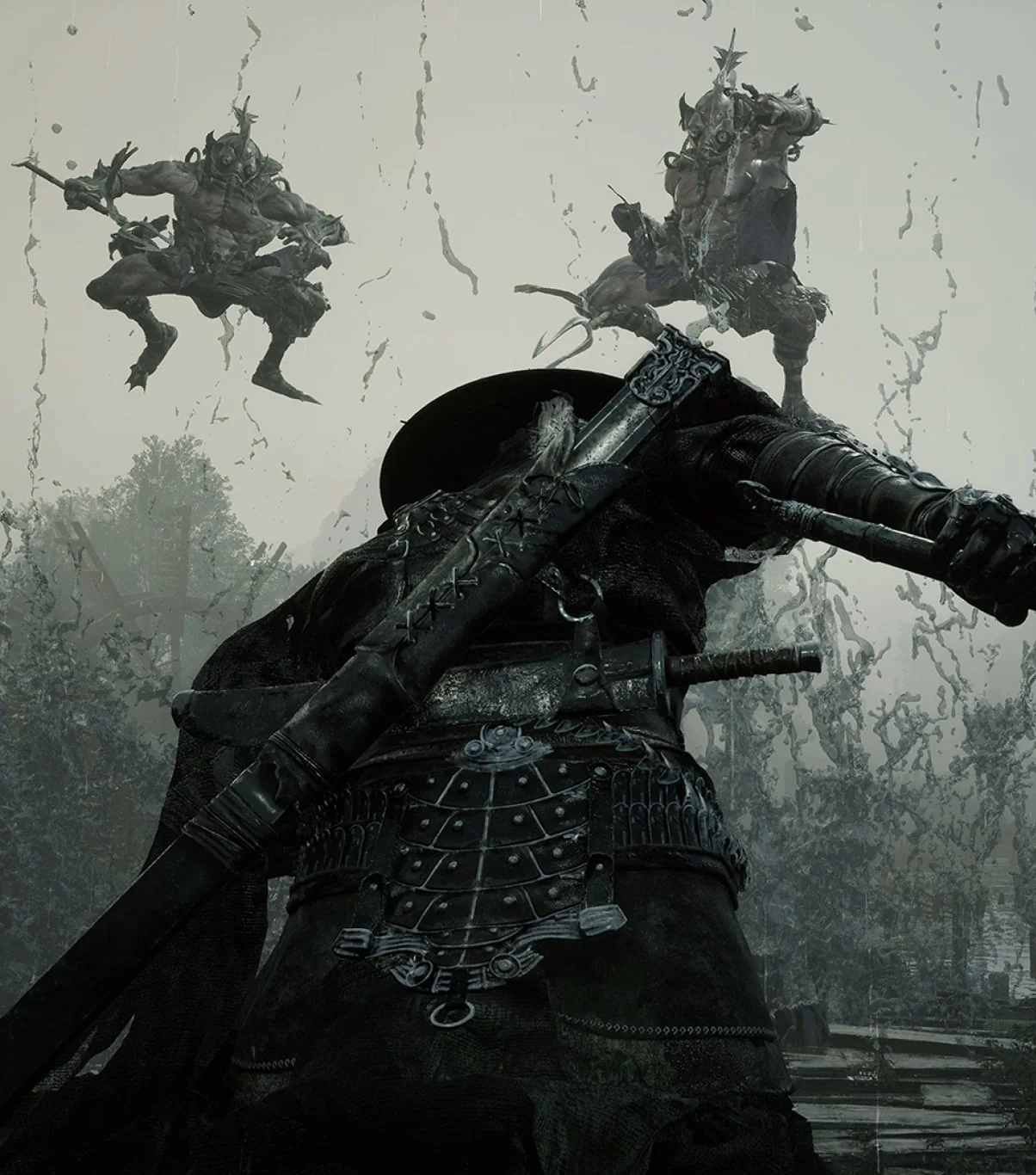
This Phantom Blade Zero beginner guide separates the mechanics already shown by S-GAME from habits players can safely prepare before launch. The public demos establish reactive parrying and dodging, two main weapons, two Phantom Edges, simple inputs that produce cinematic strings, and a world where powerful opponents can surrender weapons and signature techniques. The exact controls, upgrade costs and final balance still belong to the launch build, so the useful preparation is learning the combat language rather than memorizing invented numbers.
01
What to know before you play
Soul enters the Phantom World with a ruined heart and sixty-six days left to live. He is pursued after being framed for his master’s death, and the story places assassins, former comrades and a wider conspiracy between him and the truth. No official source requires knowledge of earlier Rainblood or Phantom Blade releases to understand this premise. Pang Town does have a direct creative lineage to the earlier Rainblood story, but the new game presents its own protagonist setup and action-RPG structure.
The launch target is October 29, 2026 on PlayStation 5 and Windows PC. PC storefronts are Steam and Epic Games Store. Steam currently lists Windows 10 or 11, 64-bit, without the remaining processor, graphics, memory or storage requirements. Treat any complete specification table elsewhere as provisional unless S-GAME updates the store data. On PS5, the product data lists a single-player experience with DualSense vibration and trigger effects.
This Phantom Blade Zero beginner guide starts with the story deadline because it explains why Soul cannot treat every road, rumor and opponent as an unlimited detour. Use the sixty-six-day premise to read urgency without assuming the final game turns it into a visible real-time clock.
This Phantom Blade Zero beginner guide connects exploration to the announced equipment loop. A powerful foe can be a source of a weapon and signature technique, so an optional-looking path may change the language of later fights.
02
Read the fight before chasing damage
The first gameplay announcement describes a reactive parry-and-dodge system designed to test reflexes. That wording matters: successful play begins with recognizing an incoming line, choosing a defensive response and taking the opening that follows. The Year of the Snake demonstration makes the idea visible. Seven swordsmen alternate between coordinated group pressure and individual attacks, then the encounter changes shape when crimson threads turn the surviving leader into a string puppet. Observation has to continue after every phase shift.
A good first-session routine is therefore simple. Spend early encounters identifying attack rhythm, distance and recovery instead of extending every combo. Use short strings until the opponent’s answer becomes readable. Once the final game exposes its input guide, practice each defensive action against one repeatable attack before mixing them. This approach remains useful without pretending the demo reveals exact parry windows or universal color rules.
The Phantom Blade Zero beginner guide also treats the storefront as part of preparation: verify your platform, local unlock display and final hardware listing before spending money on an edition or PC upgrade that has not been described.
Return to the Phantom Blade Zero beginner guide after S-GAME’s planned systems presentation. Replace provisional habits with the published progression rules while keeping the same evidence-based testing routine.
03
Think in four weapon slots
S-GAME has shown a loadout with two main weapons and two Phantom Edges. Main weapons cover both melee and ranged options and support combos and executions through approachable inputs. Phantom Edges are described as less conventional tools that enable more intricate and devastating attacks. The useful mental model is not one favorite sword plus three backups; it is a four-part kit in which conventional pressure and unusual utility can cover one another.
At launch, test one variable at a time. First compare the reach, startup and recovery of the two main weapons. Then add one Phantom Edge and record what problem it solves: closing distance, controlling space, interrupting pressure or converting an opening. Add the fourth slot only after the first three have clear jobs. More than thirty weapons and more than twenty Phantom Edges are announced, so disciplined comparison will be more useful than copying a tier list before the complete move sets exist.
A useful Phantom Blade Zero beginner guide teaches observation before inputs. Record the attacker’s origin, travel line, Soul’s final position and the recovery that follows; the launch tutorial can then attach those decisions to the real control map.
04
Explore for more than scenery
The official store description links exploration directly to power: defeating powerful foes can grant their weapons and signature techniques. That makes an imposing opponent potentially valuable even when it is not blocking the critical path. The wider story also revolves around rumors, memories, shifting realities and conspiratorial threads. Read spaces as narrative evidence and as possible routes to new combat options.
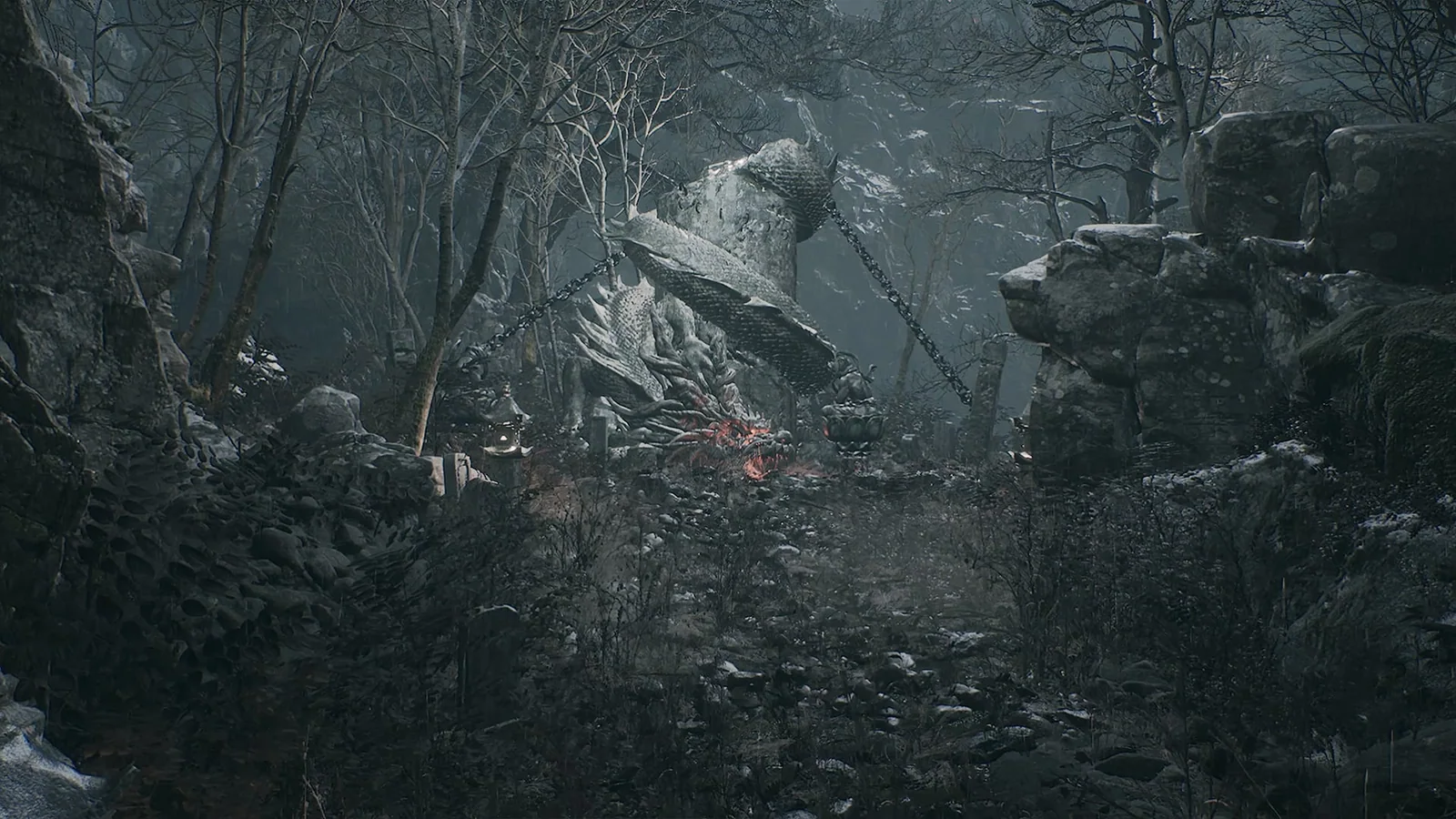
Pang Town is the clearest known location. S-GAME describes it as a rain-drenched key area rebuilt from high-precision scans of several ancient Chinese towns. Use it as a reminder of the game’s method: familiar wuxia forms are altered by machinery, folk horror and modern rendering. Check side paths, revisit visible mechanisms when your arsenal changes, and avoid assuming that a cinematic landmark is only decoration.
The Phantom Blade Zero beginner guide uses four combat jobs rather than a pre-release tier list. Give each main weapon and Phantom Edge a distinct problem to solve, then replace only one slot during a comparison run.
QUESTIONS FROM THE ROAD
Frequently asked questions
What should I choose first?
Choose a main weapon whose reach and recovery you can read clearly, then pair it with a second main weapon that answers a different distance. Add Phantom Edges only after you understand the job of each main slot. Repeat the same encounter after each single-slot change so the comparison stays meaningful.
Can I learn exact inputs now?
The final control map has not been published. The durable preparation is learning to observe attack rhythm, recovery and spacing, then using the in-game tutorial to attach those decisions to the launch controls. Avoid control diagrams copied from temporary demos unless the final game presents the same layout.